By Max McGuire
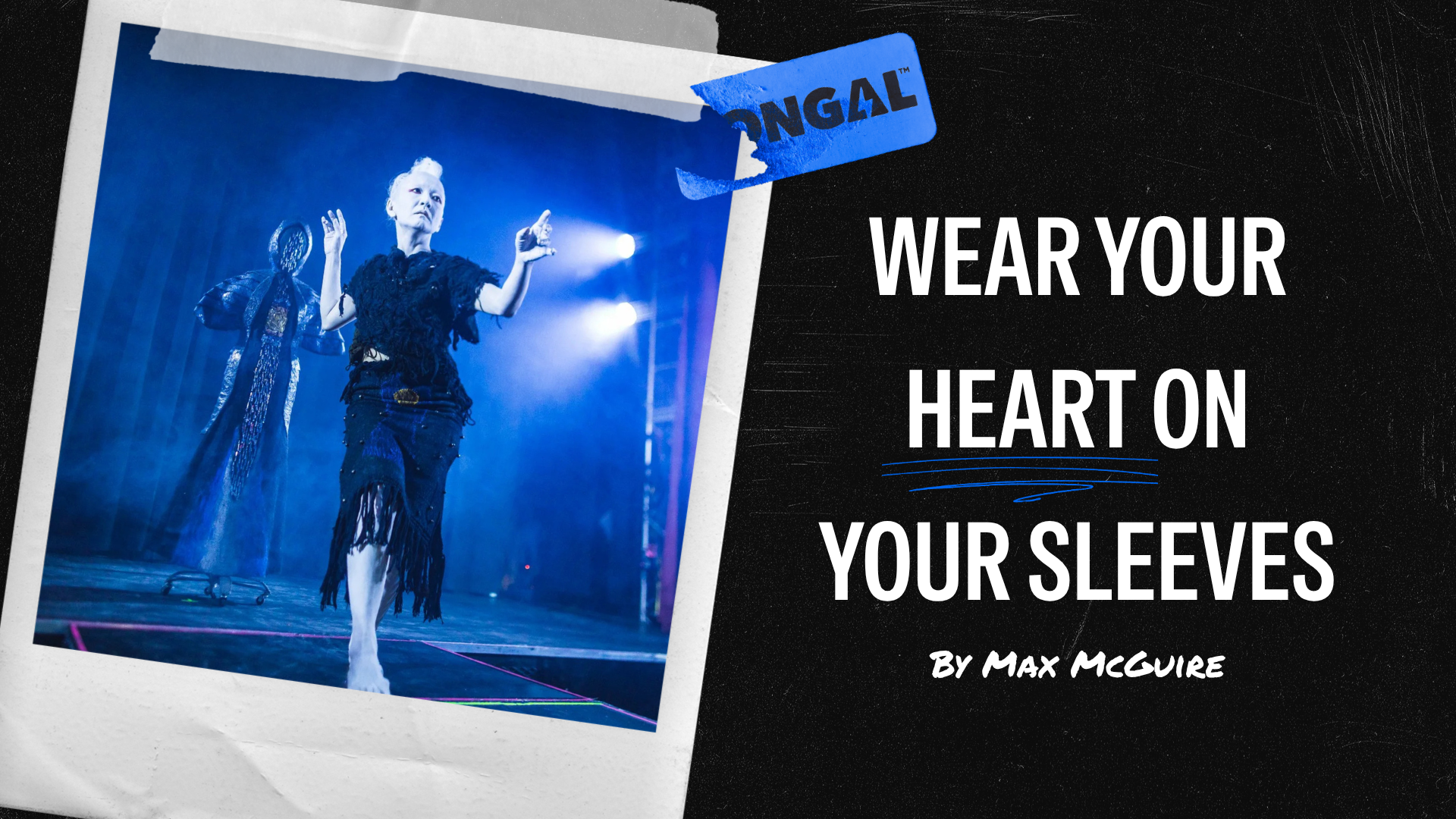
Spirit Body Clothing by Erik Bergrin
Fashion is a performance; image holds the power to tell a story. As artist and costume designer, Erik Bergrin put it, “The first thing people look at is the face, then usually the clothing, so it's part of the initial snap judgement our minds don't even realize we are doing”. Therefore, every February and September, renowned designers worldwide must make an impression during Fashion Week, the central event for fashion buyers, journalists, and wealthy curators to analyze what’s trending in style. However, in a world pressured by economic status, there can be an air of classism surrounding the arts. Looking at the history of New York Fashion Week, artists and creators are reminded that even the greatest names in fashion came from humble beginnings; their visions made possible through the power of visual storytelling.
The birth of Fashion Week is credited to a couple of different places. In the early 1900’s, America was considered second-rate compared to the “defiles de mode” of Paris, France. The heart of these parades was always marketing-- models would exhibit the latest “haute couture” in public as a means of attracting middle-class women to shop at certain department stores. However, they were not as glamorous as we consider the modern day fashion show to be, but rather reminiscent of an antique auction sale.1
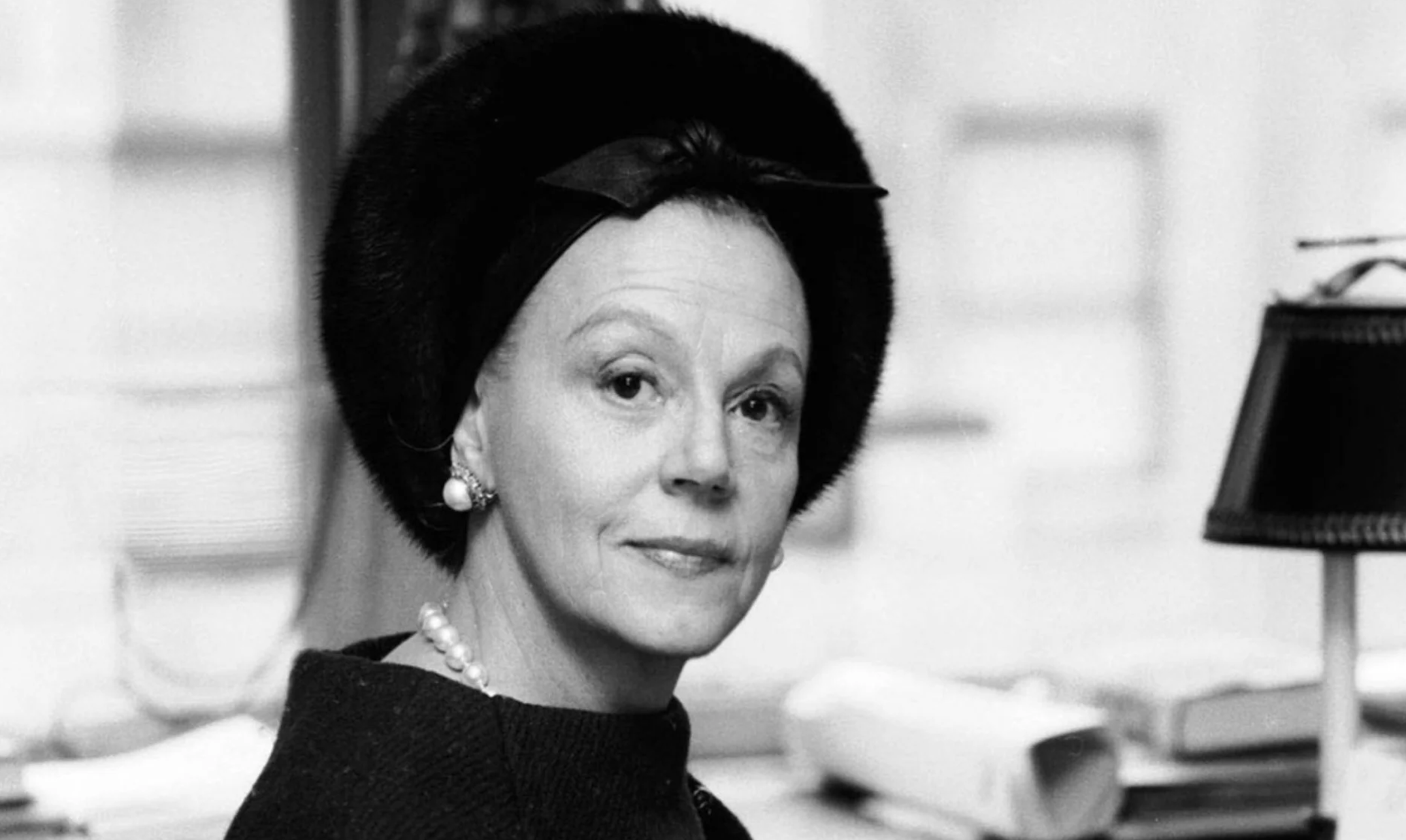
Eleanor Lambert
In the 1940’s, when France was under occupation of the Nazi party, Eleanor Lambert saw a problem that only fashion-eventing could solve. A sculpture and fashion-sketching student from rural Indiana, Lambert made a name for herself in New York as a prominent publicist, the creator of “New York’s Best Dressed” List, and the founder of the Council of Fashion Designers of America (the CFDA).2 If during World-War II, American news outlets were cut off from the world of French fashion, then Lambert designed “Press Week” as an innovative solution so fashion news could be accessible in the United States3.
“Get creative,” is Bergrin’s advice, specifically to young filmmakers and creators. “I've seen so many amazing things done out of cardboard, paper, and garbage, and things you find on the street or thrifts. You don't need a large budget, just a keen eye”.
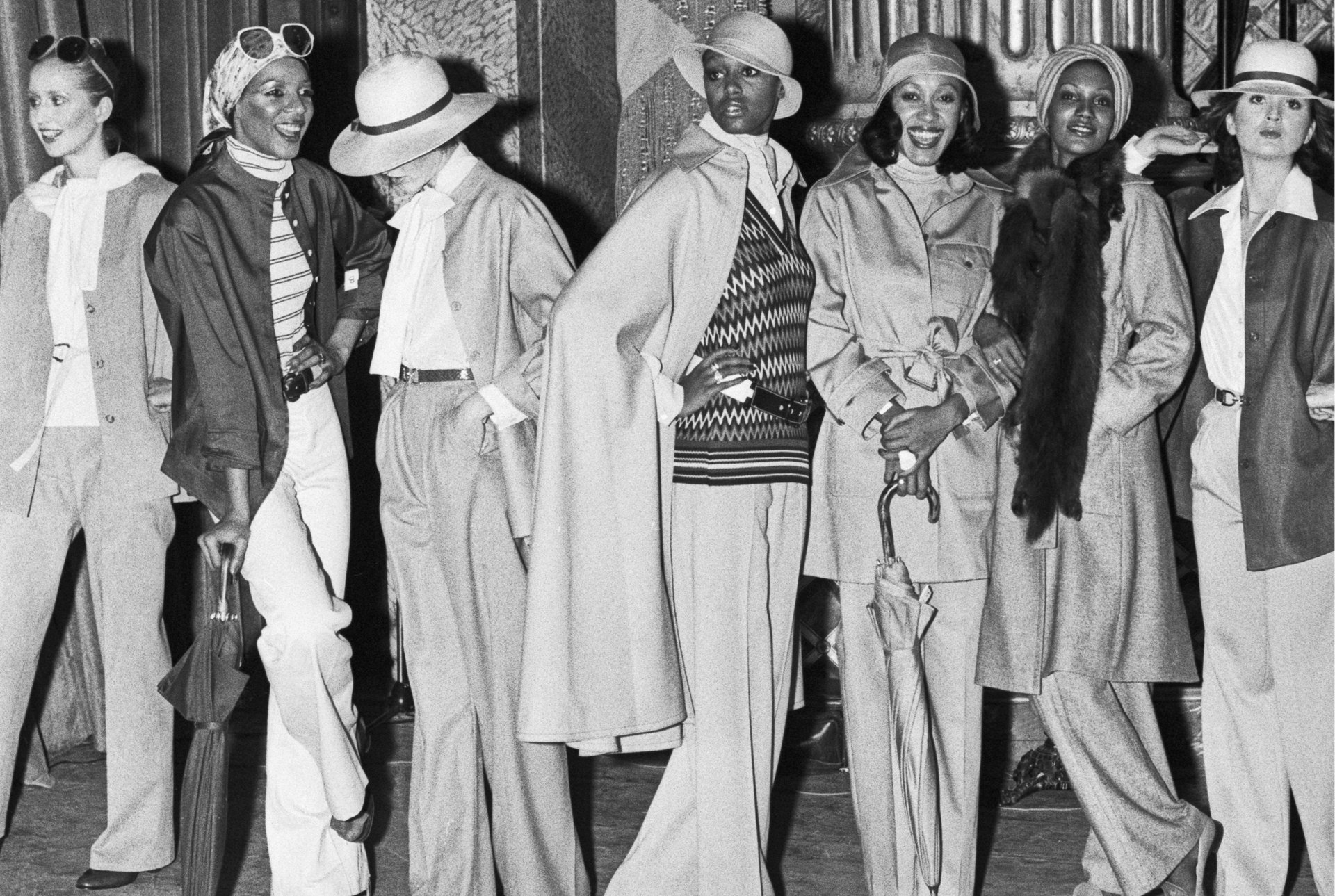
The Battle of Versailles
That’s exactly how the CFDA transformed New York into a globally recognized fashion hub in the early 1970s, towards the end of the Vietnam War. America was undergoing huge cultural shifts, both culturally, with the Civil Rights Movement, Second-Wave Feminism, and Gay Liberation Movement, as well as artistically. A historical examination of American fashion is not complete without Lambert’s 1973 stroke of genius that was The Battle of Versailles. After America’s iconic win in this competition-fundraiser, we were no longer France’s apprentice, but equal.4 In fact, it was that very same year when Paris instilled their own fashion week, modeled after that of the CFDA. The Battle of Versailles took events, such as New York Fashion Week, from mere publicity stunts, to high-culture events people worldwide wanted to be a part of. Furthermore, the CFDA has always held a commitment to Diversity, Equity, and Inclusion.5 This was especially displayed in 1973, when Black models and designers, such as Stephen Burrows, were put center spotlight.
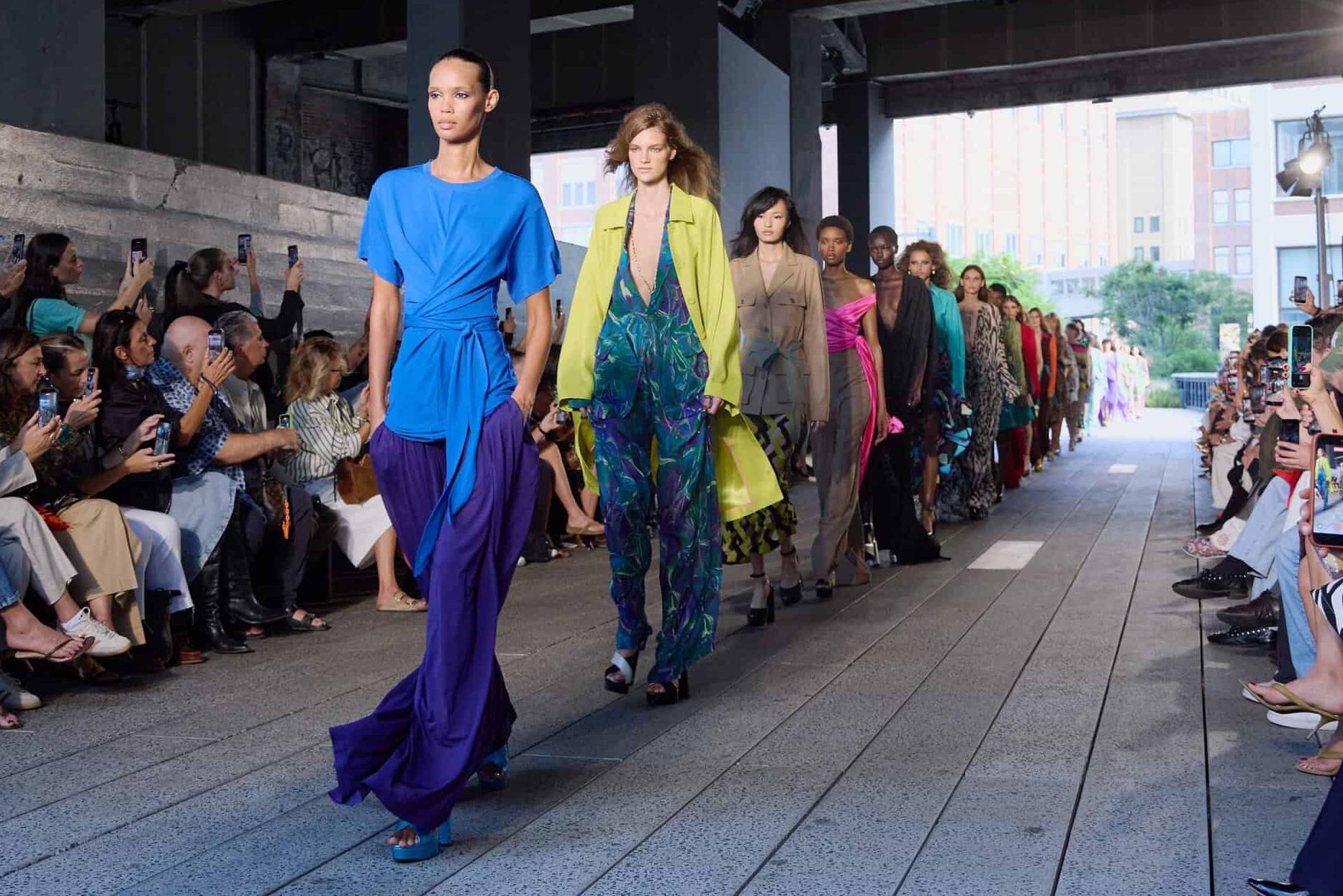
Diane von Furstenberg by Henry Zankov
This year, on September 10th, 2026, Fashion Week opened at Rockefeller Center, hosted by ambassadors Becky G, Honey Dijion, and Sebastian Yatra, whose job is to maintain online coverage of the different shows that are occurring.6 One of the opening shows was that of Henry Zankov, debuting his artistic direction for Diane von Furstenberg. These pieces delicately balanced a wet-drapped, marble-stone carving look, with the bold colors and androgynous silhouettes that won over America’s heart during the seventies.7 Our very own Tongal Creator, Nicole Hilhorst, gives us a look into the mind of a designer, saying that “we like to keep wardrobe feeling connected to the brand without being too obvious. We'll take cues from the brand colours, target audience, and overall creative direction… while keeping the looks clean and, of course, avoiding any third party branding or large logos! Our best asset is having a seasoned stylist on the team who can pull together looks, do fittings and ensure everything comes together on production day”. Thom Browne’s show, closing out the week on September 15th, will be the highly-anticipated statement audiences await; centered around the importance of quality tailoring, fashion is no longer targeted to middle-class white women, but to anyone who has an eye for aesthetics.8
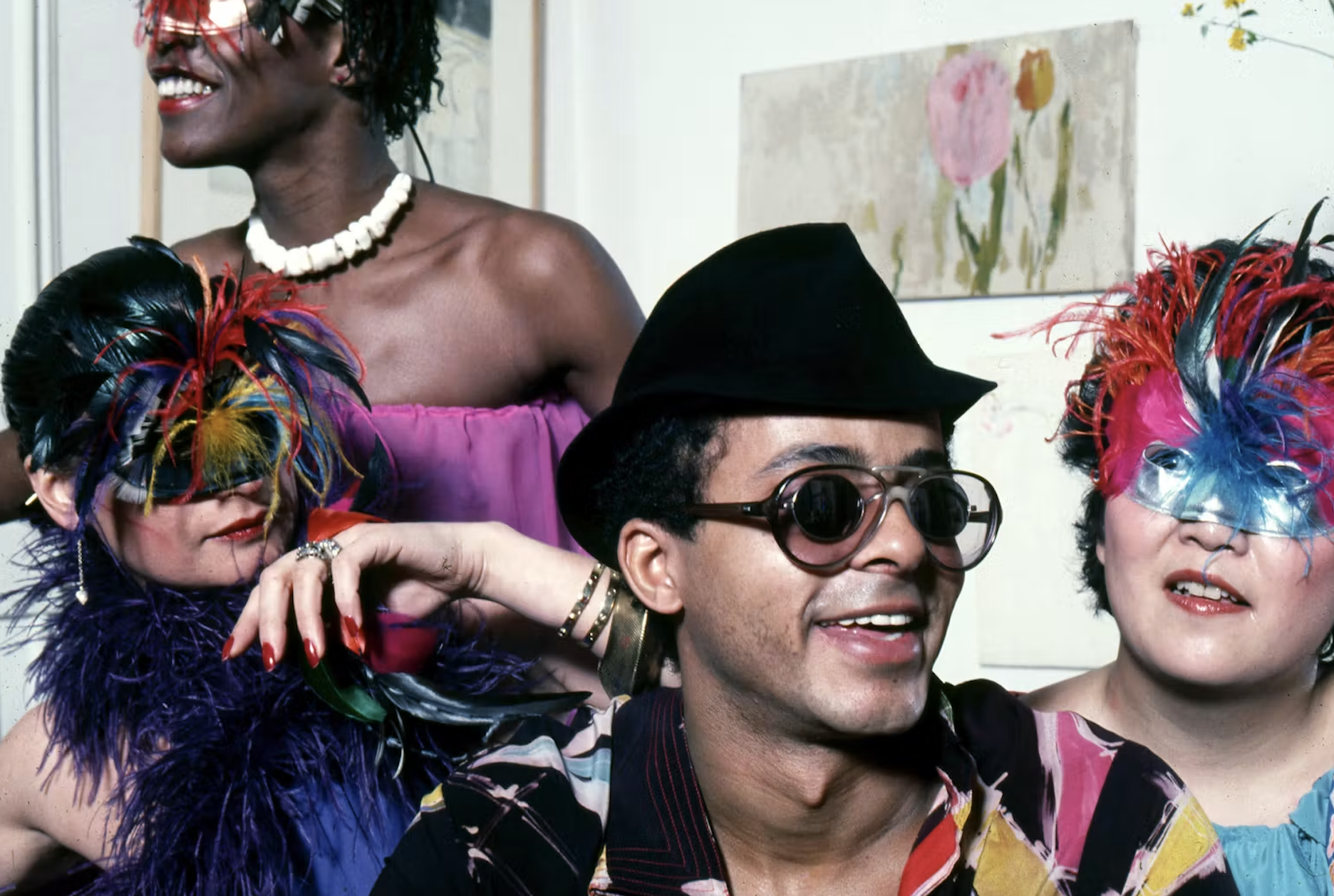
Stephen Burrows
“Evolution has led us to a world where everyone has a brand of themselves that they are consistently advertising to everybody,” Bergrin says about fashion as a form of lifestyle communication, “but really nobody, so fashion is just going along with that, and trying to make money from it”. In the modern era, the job of an independent creator is to be both an Eleanor Lambert-- pioneer, marketer, producer-- and that of a Stephen Burrows or Henry Zankov-- an artist. Despite the glamorous, high-class lifestyle that often mystifies fashion, it remains, like all mediums of art, a form of human connection. Fashion-eventing is a means of communication, seemingly reinvigorated during times of economic and political turmoil. Now, more than ever, should smaller, independent artists analyze what fashion, self-expression, and style can tell us about one’s brand-- one’s message to the world, literally worn on their sleeves.
Want to keep exploring the ideas and creative practices behind the work? Erik Bergrin recently joined Tongal for a Tongal Talk on September 16th, sharing more about his approach to fashion, costume design, and storytelling. Visit Tongal.com/projects to discover upcoming Tongal Talks and other opportunities to connect with creators and industry professionals.
1 Yamano, Wendy. 1973: The True Story of the Battle of Versailles Fashion Show. PerspectiveArts.2 “History.” 2026 The Council of Fashion Designers of America
3 Fishko, Sarah. “How New York Fashion Week Created American Style: Studio 360.” WNYC Studios, 2 June 2016
4 Yamano, Wendy. 1973: The True Story of the Battle of Versailles Fashion Show. PerspectiveArts.5 “About.” CFDA, 2026 The Council of Fashion Designers of America, Inc.
6 “Kicking off NYFW in Style at Le Rock.” CFDA, 2026 The Council of Fashion Designers of America, Inc., 10 Sept. 2026
7 Friedman, Vanessa. “Can Diane von Furstenberg Get Beyond the Wrap Dress? - The New York Times.” The New York Times, The New York Times , 11 Sept. 2026,
8 Jordan, Joshua. “View the Preliminary September 2026 Official NYFW Schedule.” CFDA, 2026 The Council of Fashion Designers of America, Inc., 1 July 2026