
Just in time for this year’s San Diego Comic-Con, SYFY Wire, a fan-driven editorial destination, released a series of mini-docs celebrating the work and passion of fan creators. What is a fan creator, you ask? They're someone who takes their love for sci-fi, fantasy, horror, or any other genre, to the next level by turning it into a real-life passion and creative endeavor. Their desire to create is what separates them from other fans.
Tongalers Erik Beck and Justin Johnson of The Indie Machines (both fan creators themselves) produced these mini-docs, but in terms of project scope, there was nothing really ‘mini’ about the production. Over the course of 2 weeks, The Indie Machines and their team traveled around the US immersing themselves in the lives of ten wildly different fan creators. Each doc takes you into the mind of a passionate creator, uncovering what sparked their initial interest in a particular fandom, the emotional connection they feel to the content and the fan community, and how the discovery of their creative niche made a lasting impact on their lives. The documentaries feature cosplayers, artists, a stop-motion animator, a light-box maker, and a cake decorator.
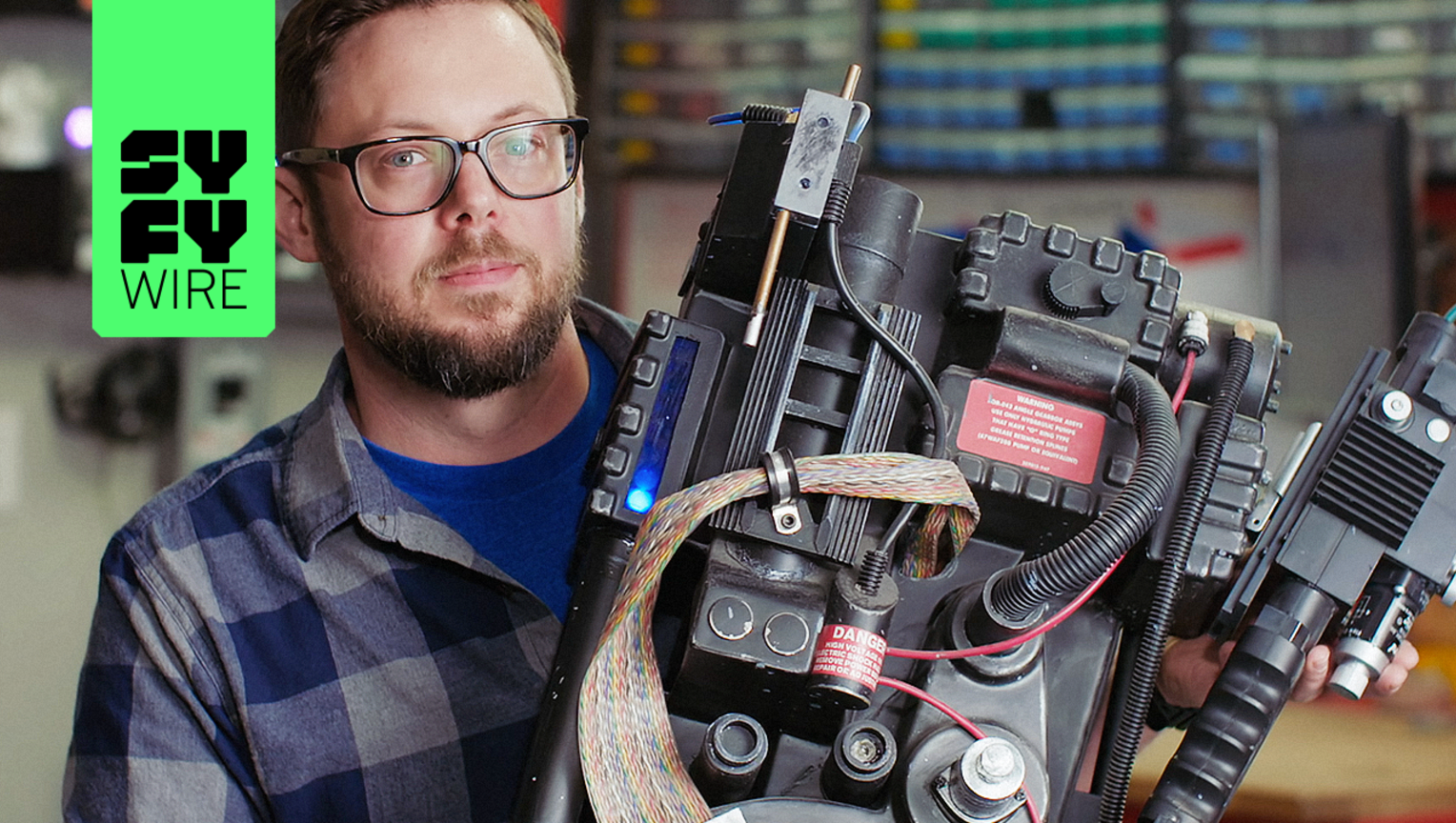
Erik Beck is also the subject of one of the docs, showing how his love of ‘80s movies featuring ‘garage/backyard inventors’, such as Honey I Shrunk the Kids and Back to the Future, inspired him to become a creator himself, using a combination of prop-making skills and 3D printing. See his passion for yourself in the sizzle below:
You can find all of the docs and artist profiles on each creator on SYFY Wire’s website here.
The culmination of the maker movement, cosplaying, and the growing appetite for DIY content has driven the rise of the fan creator. What’s interesting about each fan creator’s story is how they find ways to leave their own mark on the fandom, from watercolor rainbows to edible desserts. From this process, they take part in something that’s both deeply personal and larger than themselves.
We asked The Indie Machines a few questions about how they approached this massive undertaking and what it was like to capture so many different kinds of creators.
Maddie: Let's start with how you managed to source such an incredibly diverse and passionate group of fan creators. What was your process for this?
The Indie Machines: The process was pretty fun. We started with an initial list of 50 different creators that we had sourced from Instagram, Google, and other places like that. Most of the initial work was done by Erik and Tyler, our line producer, who scoured everywhere they could to find interesting people. Tyler wanted to find a mix of people living in different types of locations. Once we culled our top 15 or 20, we presented those to SYFY. Then I conducted 30 to 45-minute calls with the top 15 or 20. The screening process helped us figure out whose stories overlapped, as well as who was comfortable with us actually coming out and filming. Beyond that, there were just the logistics of getting to all these different places.
M: Based on the location of the fan creators, your production schedule must have been crazy. Tell us a little about how you planned for such a transnational production.
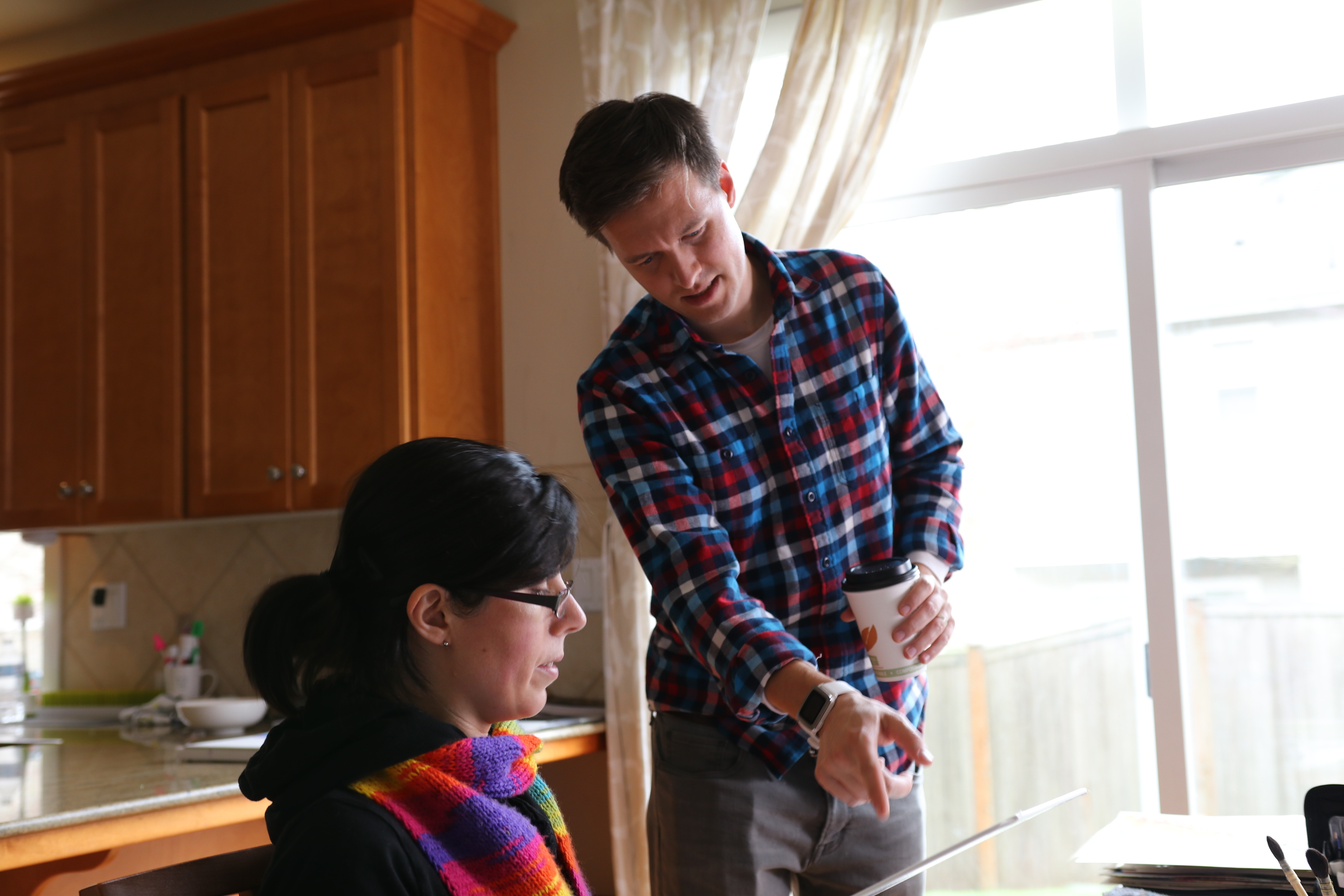
TIM: We made a conscious effort to find different people who lived near each other so we could lessen the number of flights we had to take. We started with the creators who had limited dates that worked for them. A lot of creators were traveling to Cons during the time we were shooting, so coordinating our schedules was a challenge. If we knew who we couldn't film during a certain period, we could work backward from there. It was like piecing together a huge puzzle. Thankfully, everyone who we wanted to be available was available and we were able to create the travel schedule. Initially, we started shooting in Los Angeles with three different people: Erik, Gordon, and Dre. Then we flew up to Seattle to film with Olga, the watercolor artist.
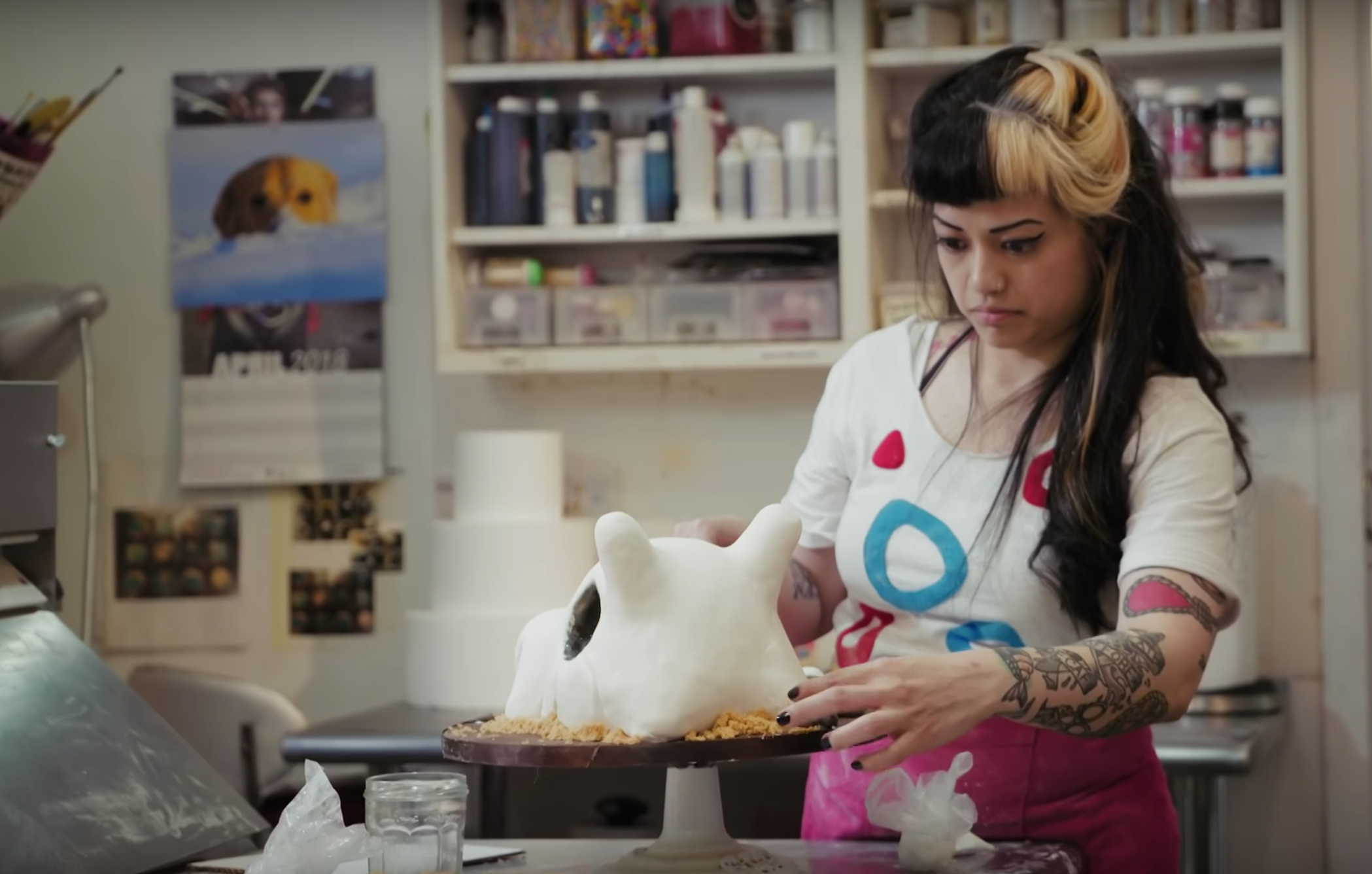
From there, we went to the Chicago-area and Indiana and took our lives into our hands by flying Southwest up to Rochester, New York where we filmed with Dave. After that, we decided to do a road trip from Rochester to New York City. It was kind of nice just to be in a car for a while instead of checking into an airport with all our luggage. The craziest day was probably the split day that we did in Brooklyn where we filmed about five hours with Alisa, the stop-motion artist, and then filmed another few hours with Marj, the cake creator. Luckily, by just pure chance, Marj and Alisa were only about a half mile from each other, which is what made that split day possible, but even that was a major crunch point in the schedule. It was pretty awesome that we got through it.
MM: This one's for Justin! You may not be on screen yourself, but you're a creator too. Do you feel that being a creator yourself made it easier for you to put together something like this?
Justin: I'm always drawn to creative people. Making documentaries about filmmakers, artists, or any passionate person is the type of content and the type of interview that I really love. I think, at the end of the day, you have to have that same kind of crazy drive and passion to succeed in any artistic venture. It was really energizing to see how much people loved doing what they did and it was also interesting to see how many people didn't want it to become their full-time job and just loved having it as a passion project.
But being a creator myself definitely made it easier to put this together and it was really thrilling to see everyone's artwork. People are also super nice about giving us free merchandise, so that was awesome, too!
MM: The mini-docs have a very cohesive feel, while still honoring the uniqueness and individuality of each fan creator. How did you establish this?
TIM: Well, obviously a huge part of it was our super talented DP, Kit Pennebaker. He shot this project in such a beautiful way and kept things very consistent throughout. There was a lot of visual stuff that we had planned, but a lot of things came together during the course of the shoot in the editing. A big part of bringing the uniqueness was just the different music that we chose for each video. Certain styles really lend themselves to different types of music. I personally really enjoy Olga’s intro with the classical music. I kind of thought of it as my homage to Chef's Table.
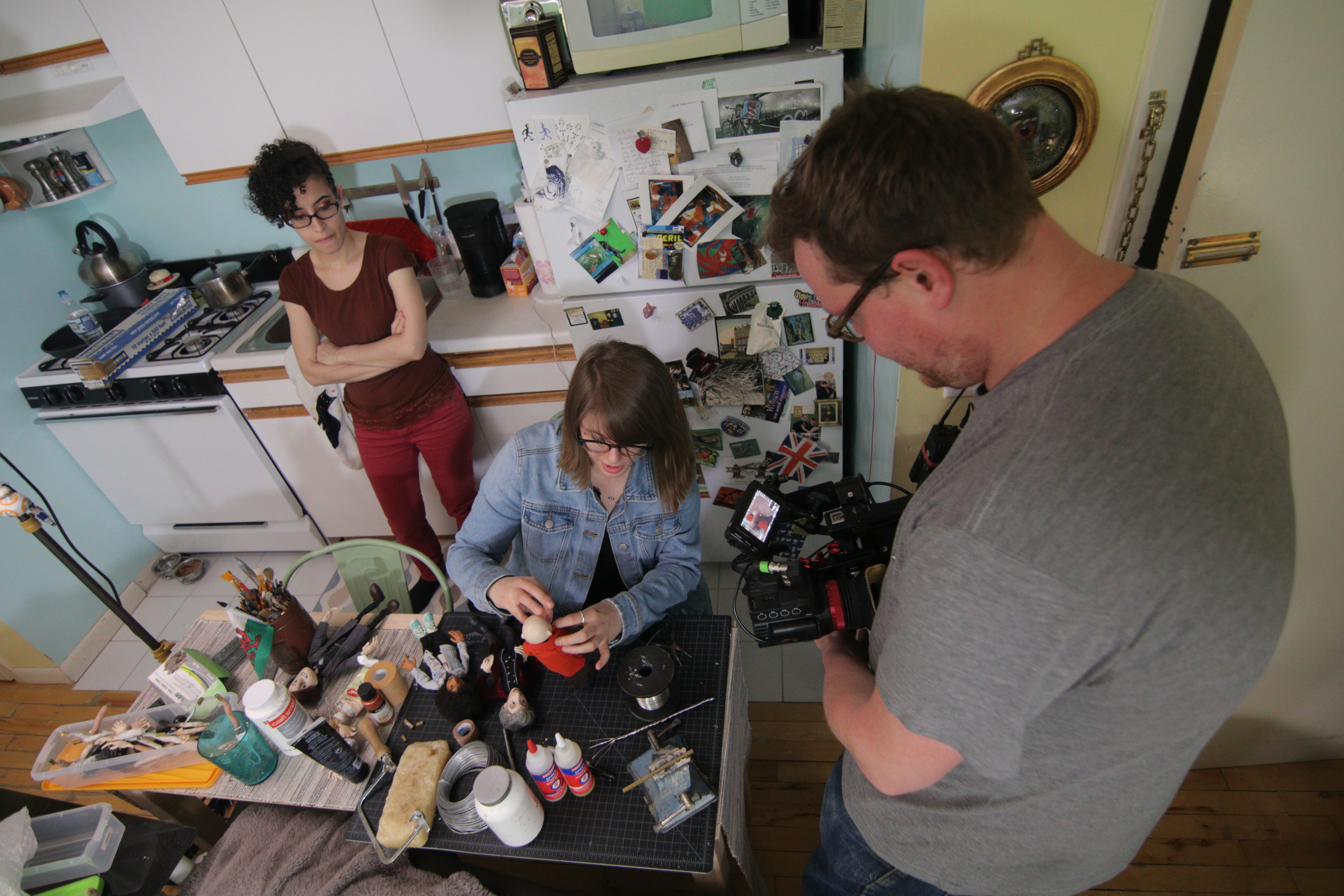
MM: Your subjects work in a variety of mediums. How did you plan to capture the creative process? Were there any mediums that were especially challenging to capture on camera?
TIM: One of the most challenging things to capture on camera were the people whose builds took weeks or months to create, like stop-motion or custom prop-building. In the ‘casting’ process, we made sure we had a variety of different mediums to work with.
Like a cooking show, we tried to have the artist prepare everything in advance. We asked them to have a version of their project in the beginning stage, another version of that same project halfway done, and then a version that was 95 percent complete.

MM: The main through-line in these docs seems to be the emotional connection fan creators have to the source material and to the cosplay community. How did you work with your subjects to tell their stories in a meaningful and authentic way?
TIM: For me, authenticity is my number one goal. It was great to talk to the fan creators ahead of time in the pre-interview phone calls. I wanted to make sure that we had people who would be super fun to hang out with. I always tell people that when we film I want it to feel like the best, most ideal version of a day where we get as many different things done as possible. That allows us to get really comfortable with them, because they're doing things that they love, and by talking to them ahead of time, it really gave me a good sense of their work and their personality. We wanted to highlight how they were different from other creators to make sure each video stood out. It was especially tricky since, in this particular video series, subjects are looking directly at the camera. This can be intimidating since they're looking at a lens and not a person's face. I thought everyone did an awesome job, but it was tough for me to poke my head out every once in a while and try to re-establish a human connection with them as we were asking questions.